
Damaged Panels Replaced for Proper Fit
Auto Body Panel Replacement in Highland Park for vehicles with body damage requiring new components
Bent, torn, or severely dented body panels often cannot be straightened back to original shape without leaving weak spots where the metal has stretched beyond its elastic limit. When metal is stretched during impact, its grain structure changes permanently, and attempting to straighten it only thins the material further, creating areas prone to cracking and rust penetration. Final Touch Collision Lab replaces damaged body panels in Highland Park using quality replacement components that restore proper fit, appearance, and function. Precise paint matching after replacement means new panels blend seamlessly with surrounding surfaces rather than standing out as obvious repairs.
Collision Panel replacement begins with removing damaged components and inspecting underlying structure for hidden damage that affects how new panels mount. Replacement panels are test-fitted to verify alignment with adjacent doors, fenders, and body lines before welding or bonding in place. Paint is then mixed to match your vehicle's specific color code and applied in multiple coats with proper curing time between stages to achieve factory-level durability.
Request a free estimate to determine whether your panels require replacement or can be repaired effectively.
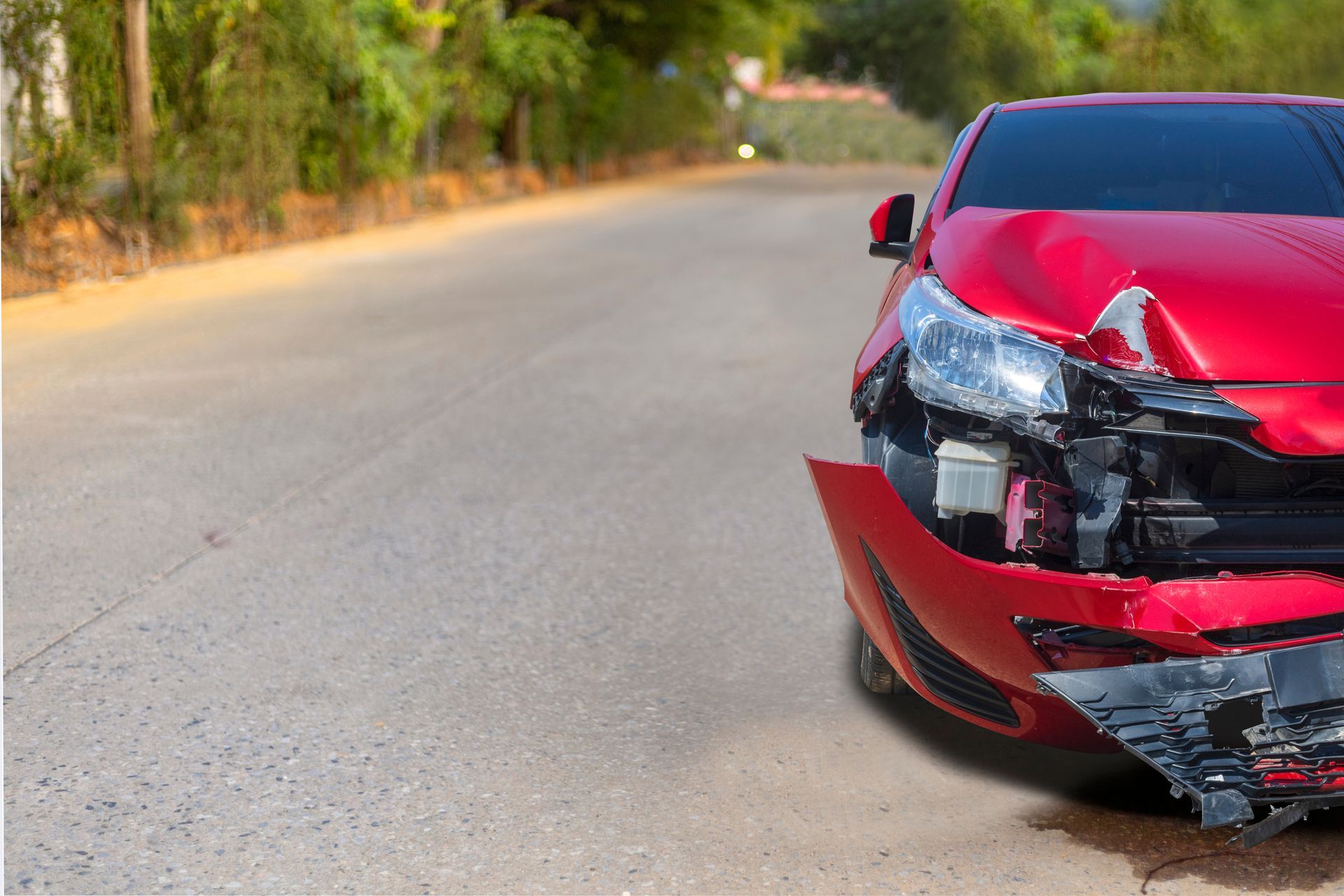
Why Panel Replacement Restores Function and Appearance
Experienced technicians remove spot welds or adhesive bonds holding damaged panels, prepare mounting surfaces by cleaning rust and applying weld-through primer, and install new panels using factory-specified attachment methods. Collision Panel alignment is verified by measuring gaps between adjacent components and adjusting mounting points before final welding. Seam sealer is applied to panel joints to prevent moisture intrusion that causes rust in hidden areas, and refinishing includes primer, base coat, and clear coat layers that match original paint thickness.
After panel replacement, you'll notice consistent gaps between doors and fenders on both sides of the vehicle, smooth panel surfaces without waviness or low spots that trap water, and paint that matches factory color under both cloudy and direct sunlight conditions. Final Touch Collision Lab uses replacement components that meet original equipment specifications rather than aftermarket panels with fitment issues, which matters for long-term durability because poor-fitting panels allow wind noise, water leaks, and accelerated rust formation at mounting points.
Experienced craftsmanship shows in details like consistent paint texture across new and existing panels, seam sealer application that prevents moisture accumulation, and proper corrosion protection on inner surfaces that aren't visible after installation. Panel replacement restores structural support in addition to appearance because body panels contribute to overall vehicle rigidity and help distribute crash forces during future impacts.
What Owners Ask About Panel Replacement
Deciding between repair and replacement depends on damage severity and metal condition, and these questions address common concerns.
What determines whether a panel needs replacement versus straightening?
Panels with sharp creases, torn metal, or damage near edges where metal has stretched thin should be replaced because straightening weakens these areas and makes them prone to cracking, while smooth dents in flat panel sections can often be straightened without compromising strength.
How is paint matched after installing a new panel?
Paint shops use spectrophotometers to analyze your vehicle's current color including fade from sun exposure, then adjust the formula to match what's actually on the vehicle rather than the original factory code, which may no longer be accurate after years of UV exposure.
What's the difference between OEM and aftermarket replacement panels?
OEM panels from the vehicle manufacturer include precise mounting points, correct metal thickness, and proper corrosion protection, while aftermarket panels sometimes require modification during installation and may use thinner gauge metal that dents more easily.
When should panel replacement happen after collision damage?
Replacement should occur promptly because exposed metal at damage edges rusts quickly, especially during winter months in Highland Park when road salt exposure accelerates corrosion and compromises the mounting area where new panels attach.
What should I inspect after panel replacement is finished?
Check that new panels sit flush with surrounding surfaces without protruding or sitting recessed, gaps between panels match on both vehicle sides, and paint color remains consistent as you walk around the vehicle viewing it from different angles under natural light.
Final Touch Collision Lab provides personalized service including detailed explanations of why specific panels require replacement and how the work will be performed. Contact the shop to schedule a panel assessment and receive cost estimates based on your vehicle's specific damage and required components.