
Structural and Cosmetic Restoration Done Right
Collision Repair in Highland Park for vehicles requiring safety restoration and refinishing after accidents
Proper collision restoration goes beyond straightening visible damage—it addresses frame alignment, replaces compromised safety components, and applies refinishing that resists corrosion and UV degradation over years of exposure. Complete collision restoration from damaged components to final refinishing involves structural measurement, parts replacement, welding repairs, and multi-stage paint application. Final Touch Collision Lab uses methods designed to restore safety, appearance, and vehicle value rather than simply making damage less noticeable, and licensed and insured professionals follow manufacturer repair procedures that preserve crash protection systems.
Collision repair addresses bent frame rails, crushed crumple zones, torn body panels, and damaged mechanical components that affect vehicle operation. A Collision Repair Mechanic inspects hidden areas behind bumpers and fenders where impact force often damages mounting brackets, fluid lines, and sensor wiring that aren't visible without disassembly. Repairs restore both the structural cage that protects occupants and the cosmetic surfaces that determine resale value.
Schedule repairs to prevent rust formation on exposed metal and address alignment issues that accelerate tire wear.
What Proper Collision Restoration Requires
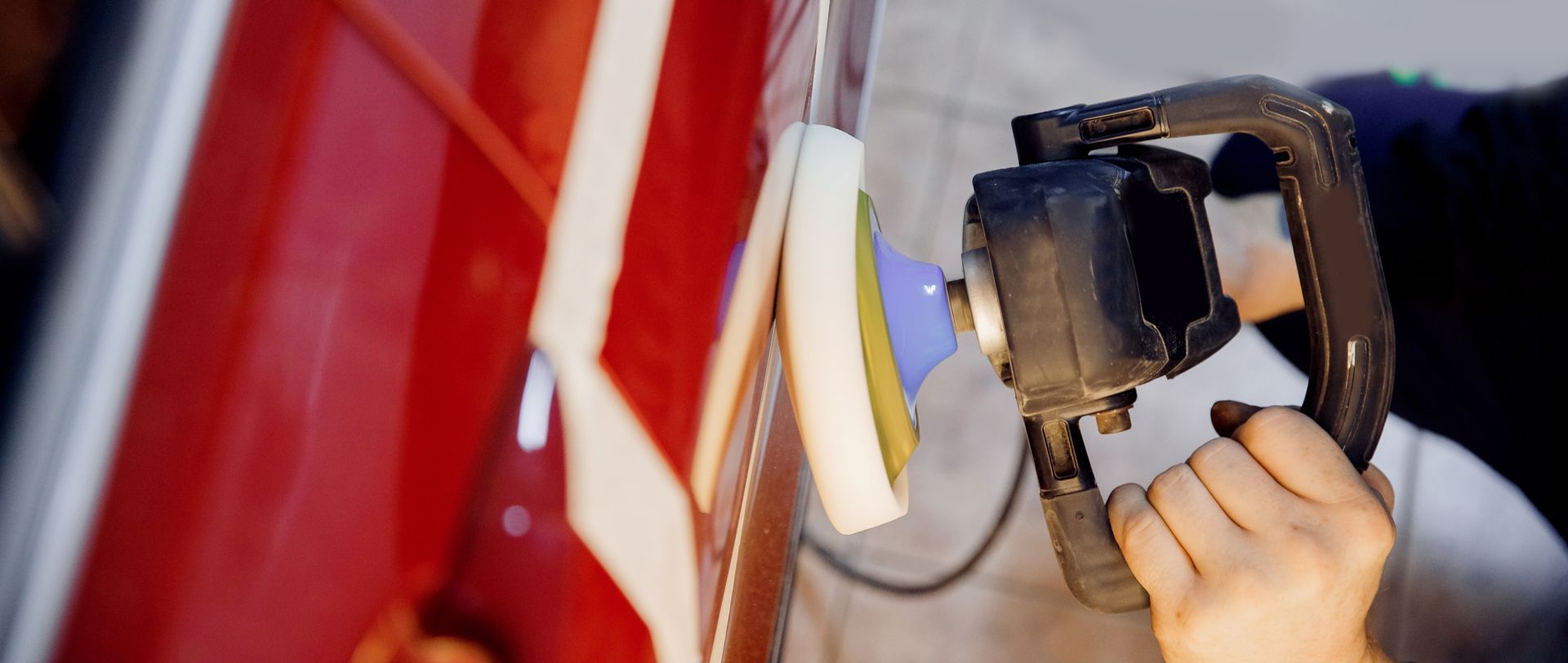
Licensed professionals use frame measurement equipment to verify structural dimensions match factory specifications, hydraulic pulling systems to correct misalignment, and MIG welding to repair frame sections that cannot be straightened. Replacement panels are fitted and aligned before welding or bonding, primed to prevent corrosion, and refinished using color-matched paint mixed to your vehicle's specific code. Clear coat application provides UV protection and gloss retention that lasts beyond the initial repair.
After restoration, you'll notice doors that close with the same effort as undamaged panels, wheel alignment that no longer pulls during highway driving, and paint that maintains consistent color across repaired and original surfaces. The vehicle sits level without sagging at one corner, panel gaps appear uniform on both sides, and no rattles or wind noise indicate loose components. Final Touch Collision Lab focuses on structural integrity first because cosmetic perfection means little if the vehicle can't protect occupants during future impacts.
Personalized service from the owner includes explaining which components require replacement versus repair, why certain procedures take longer than others, and what the finished restoration should look like. Insurance assistance handles claim documentation and approval communication, simplifying a process that often involves multiple estimates and adjuster reviews.
Common Questions About Complete Restoration
Understanding what happens during collision restoration helps you evaluate repair quality and recognize proper procedures.
What does structural integrity restoration actually involve?
Frame rails are measured using laser systems, pulled back to factory dimensions using hydraulic equipment anchored to the shop floor, and verified for correct alignment before cosmetic work begins—misaligned frames cause uneven tire wear and reduce crash protection even if the vehicle looks straight.
How is paint matched to the original vehicle color?
Paint is mixed using your vehicle's specific color code, then test-sprayed and compared under different lighting conditions because factory colors fade slightly over time and metallic paints change appearance based on viewing angle.
When should I replace components rather than repair them?
Safety-critical parts like frame rails with tears or cracks, airbag sensors that deployed during impact, and severely bent suspension arms should be replaced because repair methods cannot restore their original strength and failure risk increases significantly.
What documentation should I receive after collision repairs?
You should get itemized repair lists showing which components were replaced or repaired, frame measurement printouts proving structural alignment, and paint batch records matching your vehicle's color code for future reference if additional work becomes necessary.
How does Highland Park's road salt exposure affect collision repairs?
Salt accelerates corrosion on bare metal exposed during accidents, making rust prevention coatings essential during repairs, and winter collision damage should be addressed before spring thaw cycles worsen rust penetration into structural components.
Final Touch Collision Lab has delivered quality results since 1984, and experienced craftsmanship shows in details like consistent panel gaps, smooth door operation, and paint that doesn't fade prematurely. Arrange a repair consultation to review your vehicle's specific damage and receive a timeline based on parts availability and repair complexity.