
Visibility and Safety Restored After Impact
Windshield Replacement in Highland Park for vehicles with collision-damaged glass requiring installation that maintains structural integrity and safety system function
Professional installation methods determine whether replacement windshields bond correctly to the vehicle frame, maintain structural rigidity during rollovers, and support proper airbag deployment. Final Touch Collision Lab replaces damaged windshields following collisions in Highland Park using adhesives specified by vehicle manufacturers, curing procedures that ensure full bond strength, and installation techniques that prevent leaks and wind noise. The windshield forms part of the vehicle's structural system, transferring roof loads to the frame during impacts and supporting the roof against collapse.
Windshield replacement involves removing trim pieces and wipers, cutting through the old adhesive bead, cleaning bonding surfaces to bare metal or glass, applying primer to ensure adhesion, and setting the new windshield with a continuous bead of urethane adhesive. Installation includes recalibrating cameras and sensors mounted to the windshield that operate lane departure systems, automatic braking, and collision avoidance features. The shop assists with insurance claims when applicable, coordinating coverage approval and handling paperwork so vehicle owners avoid administrative delays.
Request a free estimate for windshield replacement that includes details about adhesive curing time and sensor recalibration requirements.
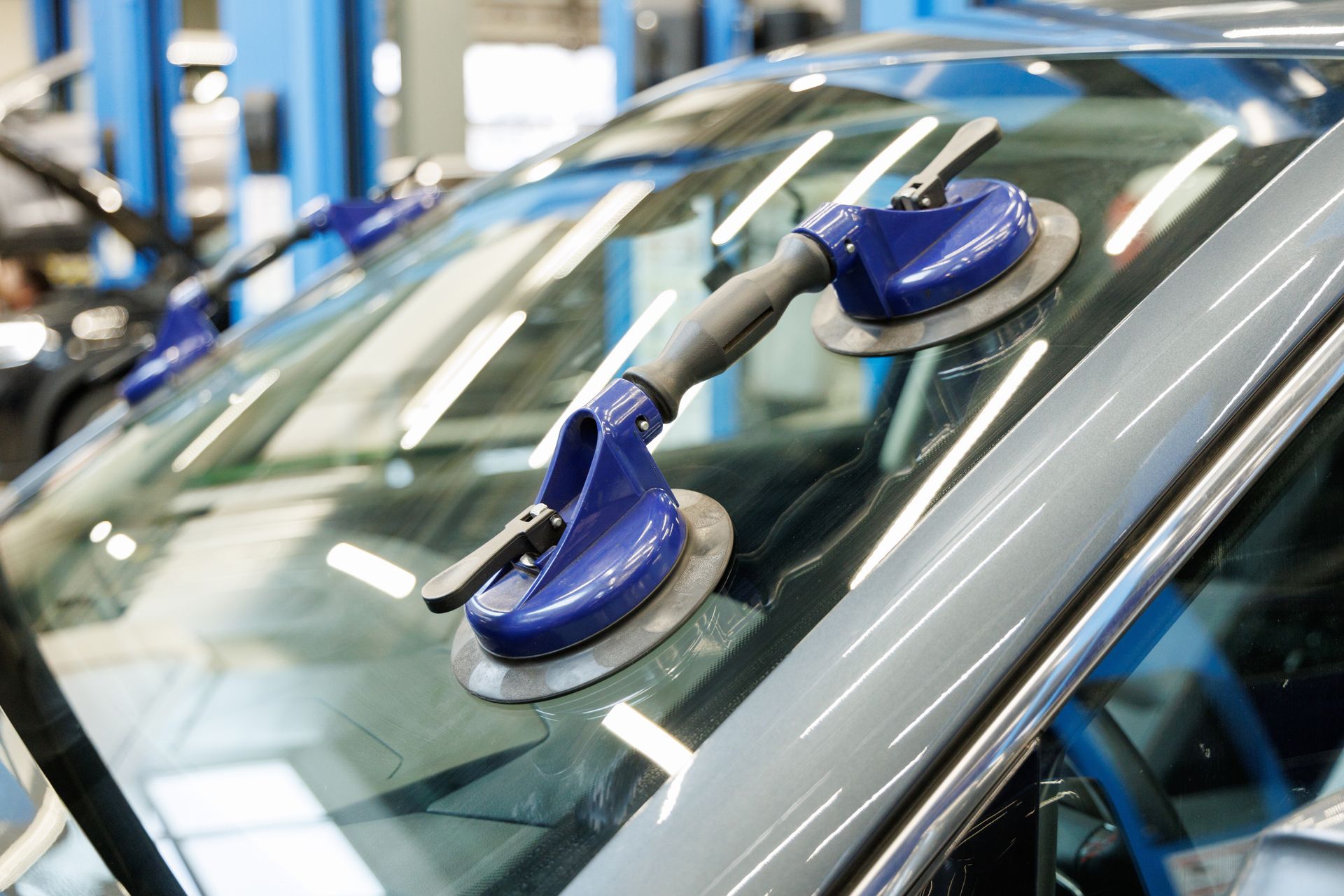
What Proper Windshield Installation Accomplishes
Correct windshield installation requires urethane adhesives that cure for specified durations before the vehicle is driven, primer application that prevents adhesive failure at the bonding surface, and precise glass positioning that maintains correct gaps around the perimeter. Technicians verify that drainage channels route water away from the adhesive bead, that mounting surfaces are free from rust and old adhesive residue, and that the new glass sits flush without distortion that creates visual waves.
After installation, you'll notice that wind noise is absent at highway speeds, water doesn't leak through the windshield seal during car washes or rainstorms, and there's no visible distortion when looking through the glass at road signs or traffic signals. Advanced driver assistance systems function without warning lights or false alerts, indicating that cameras and sensors are properly aimed and calibrated. The windshield remains firmly bonded without movement when doors are slammed or when driving over rough pavement creates body flex.
Windshield replacement includes removing and reinstalling trim and wipers, but it doesn't include repairing rust damage around the windshield frame or replacing trim pieces broken during removal of the old glass. Vehicles with advanced safety systems require sensor recalibration performed using manufacturer-specific equipment, which adds time and cost compared to standard windshield replacement. Convenient scheduling accommodates your availability, and insurance claim assistance helps navigate coverage questions and deductible requirements when windshield damage results from covered collision events.
What Property Owners Usually Ask
Vehicle owners considering windshield replacement after collisions often ask about installation quality, safety system recalibration, and insurance coverage before scheduling the service.
What determines how long adhesive must cure before driving?
Urethane adhesives require specific curing times based on temperature and humidity levels, typically ranging from one hour for fast-cure formulas to several hours for standard adhesives. Driving before full cure compromises bond strength, creating safety risks during collisions when the windshield must remain attached to support airbag deployment and roof structure.
How is sensor recalibration performed after windshield replacement?
Technicians connect diagnostic equipment to the vehicle's computer system, position alignment targets at specified distances in front of the vehicle, and run calibration procedures that teach cameras the correct viewing angles through the new glass. Improper calibration causes false warnings or prevents safety systems from activating when needed.
Why do some windshields cost more than others?
Windshields vary in thickness, tint level, acoustic dampening layers, and embedded features like heating elements, rain sensors, and heads-up display projection areas. Advanced windshields with multiple features cost significantly more than basic glass, and availability affects pricing when specific windshields must be ordered from manufacturers.
What causes windshields to leak after replacement?
Inadequate primer application, contaminated bonding surfaces, insufficient adhesive coverage, or driving the vehicle before adhesive cures all create leak paths. Proper installation includes cleaning surfaces with specific solvents, applying primer to bare metal, using continuous adhesive beads without gaps, and allowing full cure time before vehicle delivery.
How does insurance coverage work for collision-damaged windshields?
Comprehensive and collision policies typically cover windshield replacement after accidents, subject to deductibles specified in the policy. The shop submits claims directly to insurance companies, coordinates approval, and handles billing so vehicle owners avoid upfront payment beyond their deductible amount.
Final Touch Collision Lab provides convenient scheduling for windshield replacement and handles all insurance coordination to streamline the claim process. Contact the shop for a free estimate that includes sensor recalibration requirements and expected completion timelines specific to your vehicle.