
Front and Rear Bumpers Restored
Bumper Repair in Highland Park for vehicles with cracked, dented, and damaged bumper covers
Bumper damage from parking lot impacts, minor collisions, and road debris often looks purely cosmetic but can hide structural issues that affect safety system function. Cracked, dented, and damaged bumpers compromise both appearance and crash protection because modern bumpers contain impact absorbers, sensor mounts, and structural reinforcement that must function correctly during future accidents. Final Touch Collision Lab repairs bumper damage in Highland Park by restoring bumper appearance and functionality through plastic welding, filler application, and refinishing. Inspection for hidden collision damage behind the bumper cover detects bent reinforcement bars, crushed impact absorbers, and damaged sensor brackets that aren't visible without removing the outer cover.
Bumper repair addresses cracks in flexible plastic covers, dents that have stretched the material, and tears along mounting points where impact force concentrated. Some bumper damage can be repaired using plastic welding that fuses cracks back together and reinforcement mesh that prevents re-cracking, while severely damaged sections may require replacement of the entire cover or internal reinforcement components.
Schedule an inspection to determine repair requirements and identify any hidden damage requiring attention.
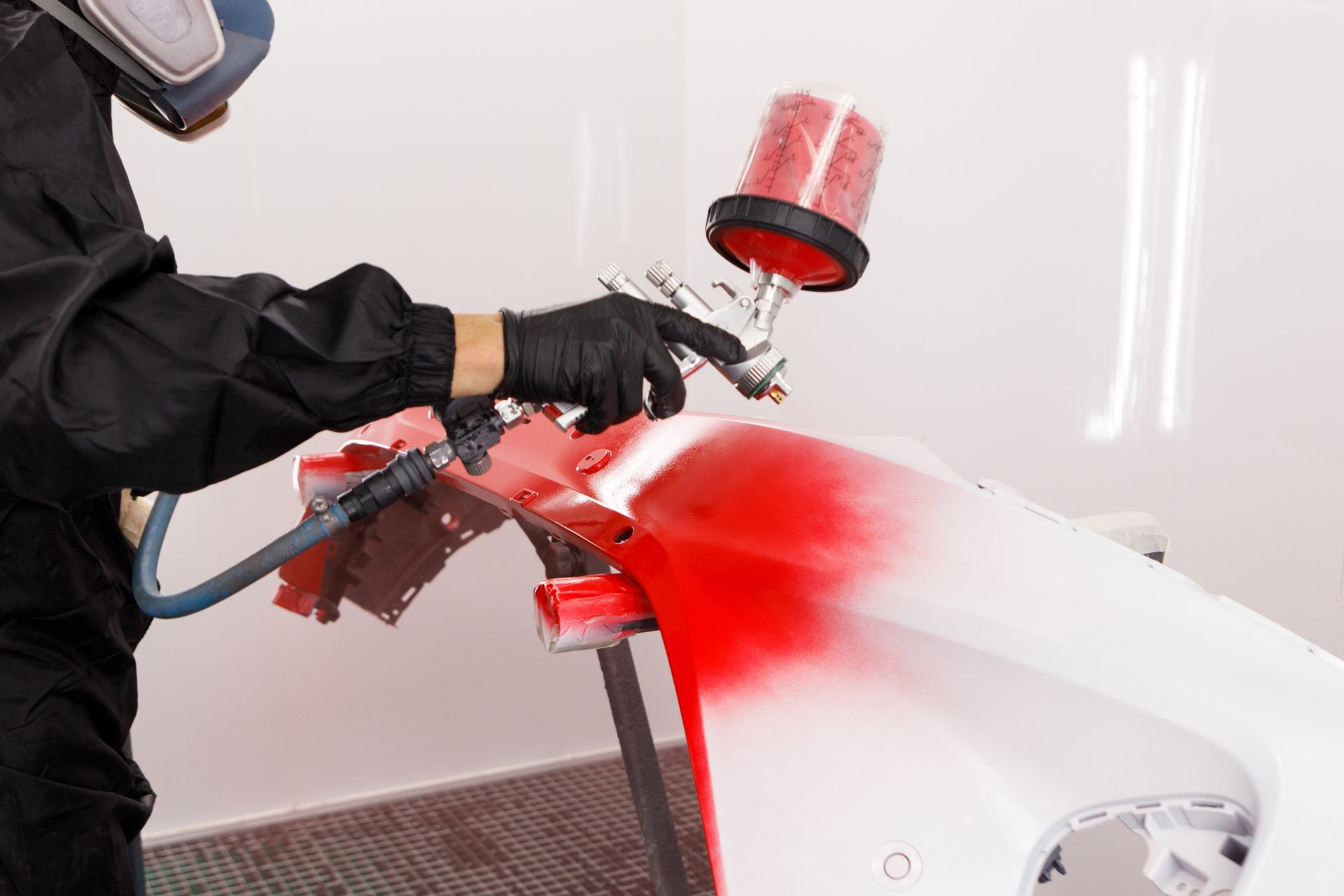
What Bumper Restoration Actually Accomplishes
Technicians remove bumper covers to access internal components, inspect impact absorbers for crushing or displacement, and check sensor mounts for damage that affects parking assist or collision warning systems. Cracks are cleaned and plastic-welded from the back side, dents are heated and reformed when possible, and damaged sections are filled with flexible repair material that moves with the bumper during minor impacts. Paint matching for seamless repairs involves color-matching the specific bumper material, which sometimes requires different paint formulations than metal body panels because plastics expand and contract more with temperature changes.
After repair, you'll notice smooth bumper surfaces without visible cracks or texture differences, consistent color match with adjacent fenders and doors, and proper bumper alignment with uniform gaps above and below. The bumper sits securely without rattling over rough pavement, parking sensors function correctly without false warnings, and the repair area flexes naturally during light contact without cracking. Insurance claim assistance simplifies documentation and approval for bumper work, which often requires adjuster review to determine whether repair or replacement is more cost-effective.
Paint matching addresses color differences between bumper covers and metal panels because plastic absorbs UV light differently than painted metal, often fading to a slightly different shade over time. Proper repair includes blending paint into adjacent panels so color transitions gradually rather than showing a hard line at the repair boundary.
Frequent Bumper Repair Questions
Bumper damage varies widely in severity, and understanding repair options helps you make informed decisions about your vehicle.
What types of bumper damage can be repaired versus requiring replacement?
Small cracks, scrapes, and dents that haven't torn completely through the bumper cover can usually be repaired using plastic welding and filler, while large tears, severe crushing, or damage that has broken mounting tabs typically require replacement because structural integrity cannot be fully restored.
How does hidden damage behind the bumper affect repairs?
Impact force often bends the steel reinforcement bar or crushes foam impact absorbers behind the plastic cover, and these components must be replaced to restore crash protection even if the outer bumper cover looks repairable.
When should bumper repairs be completed after damage occurs?
Repairs should happen promptly because cracks expand over time as the bumper flexes during driving, road salt and moisture penetrate damaged areas accelerating deterioration, and parking sensors may malfunction if mounting brackets are displaced even slightly from impact.
What should I look for when inspecting finished bumper repairs?
Check that repaired areas flex naturally when pressed gently rather than feeling rigid or brittle, paint color matches under both shade and direct sunlight without obvious transition lines, and bumper gaps remain consistent across the entire width rather than tapering at one end.
How do Highland Park's winter conditions affect bumper vulnerability?
Cold temperatures make plastic bumper covers more brittle and prone to cracking during minor impacts, and salt spray coating bumpers during winter driving can hide small cracks that expand once temperatures rise in spring, making post-winter inspection valuable for catching damage early.
Final Touch Collision Lab has delivered quality bumper repairs since 1984, and attention to internal damage detection prevents future problems caused by bent reinforcement or displaced sensors. Call (847) 433-1310 to arrange a bumper damage assessment and discuss repair options specific to your vehicle's condition.