
Handling Restored After Collision Damage
Suspension Repair and Tire and Wheel Repair in Highland Park for vehicles with accident-related damage affecting ride quality, alignment, and steering response
Collision forces bend control arms, crack suspension mounts, damage wheel bearings, and knock alignment settings out of specification even when exterior body damage appears minor. Final Touch Collision Lab inspects and repairs suspension components, wheels, and tires damaged during collisions in Highland Park, restoring proper handling characteristics and preventing premature tire wear that results from misaligned geometry. Thorough post-accident inspections identify hidden damage to steering linkages, shock absorbers, and subframe mounting points that aren't visible without removing wheels and undercarriage shields.
Suspension repair involves measuring wheel alignment angles, inspecting mounting points for cracks or deformation, replacing bent control arms and tie rods, and reinstalling components to manufacturer torque specifications. Wheel repair includes assessing whether bent rims can be straightened or require replacement, inspecting tires for internal belt damage caused by impact forces, and verifying that wheels mount without runout or vibration. Experienced technicians recognize damage patterns indicating that additional components beyond those initially visible require replacement to restore factory handling characteristics.
Schedule an inspection to identify all suspension and wheel damage resulting from your collision.
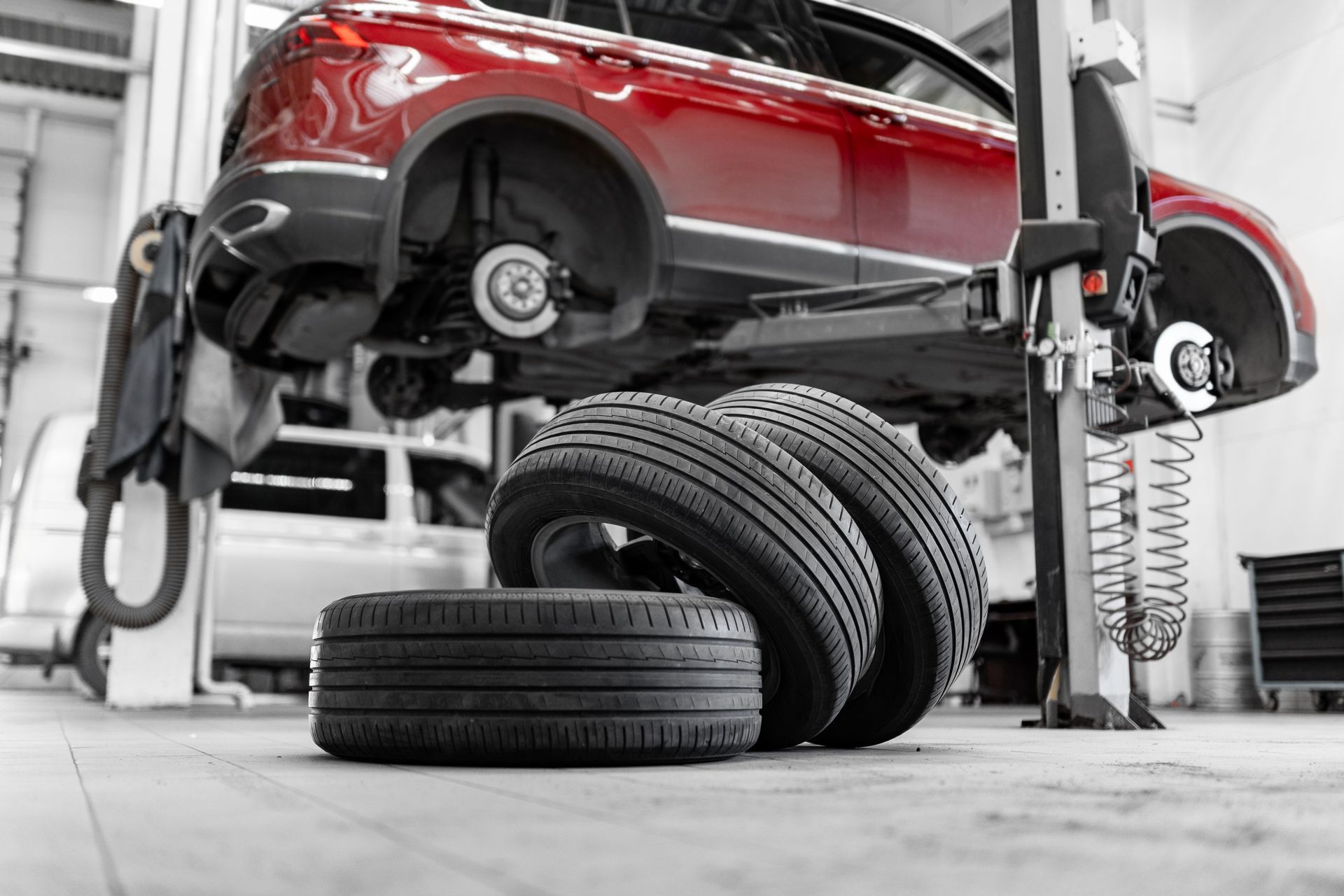
What You Notice Once Suspension Systems Are Repaired
Properly repaired suspension systems eliminate steering wheel vibration at highway speeds, prevent the vehicle from pulling to one side during acceleration and braking, and restore the factory ride quality over uneven pavement. Alignment measurements return to manufacturer specifications for camber, caster, and toe angles, ensuring that tires wear evenly across the tread surface. Wheel balancing eliminates vibrations transmitted through the steering wheel and floorboard at specific speed ranges.
After repairs complete, the steering wheel remains centered during straight-line driving, the vehicle doesn't drift toward the road shoulder when you release the wheel momentarily, and there's no clunking from loose suspension components when driving over speed bumps. Tires don't show feathering or cupping patterns that indicate alignment problems, and the vehicle maintains stability during emergency lane changes without excessive body roll. Wheel assemblies rotate smoothly without wobbling or scraping against brake components.
Suspension repairs include components damaged in the collision, but they don't cover worn shock absorbers, aged rubber bushings, or maintenance items unrelated to the accident. Some suspension damage affects subframe mounting points welded to the vehicle structure, requiring frame straightening before new components can be installed. Insurance assistance covers documented accident-related damage, and the shop provides free estimates detailing all necessary repairs with photographs showing damage locations and part numbers.
Questions Before Starting Your Project
Owners of collision-damaged vehicles typically ask about inspection procedures, repair necessity, and long-term effects before authorizing suspension and wheel repairs.
What does a thorough suspension inspection involve after a collision?
Technicians remove wheels to inspect control arms, ball joints, tie rods, and shock absorbers for bending, cracking, or separation. They measure wheel alignment angles using computerized equipment, check for frame damage at suspension mounting points, and test-drive the vehicle to detect vibrations, pulls, or unusual noises that indicate hidden damage.
How do you determine whether a bent wheel can be straightened or needs replacement?
Wheels with minor bends in the rim lip can often be straightened using hydraulic presses, but wheels with cracks, severe bends near the hub, or structural damage compromising strength require replacement. Straightened wheels are tested for runout and balance before reinstallation to ensure they don't cause vibration.
Why is alignment necessary after collision repairs?
Impact forces knock suspension geometry out of specification even when components aren't visibly bent. Misalignment causes tires to scrub sideways as they roll, creating wear patterns that destroy tires within thousands of miles. Proper alignment restores factory angles, preventing premature tire replacement and ensuring stable handling.
What suspension damage isn't immediately obvious after an accident?
Torn rubber bushings, cracked subframe mounts, damaged wheel bearings, and bent components hidden behind underbody shields often go unnoticed until post-accident inspections are performed. These failures develop into safety hazards if left unrepaired, causing components to separate during normal driving.
How does climate affect suspension repairs in Highland Park?
Road salt used during winter months accelerates corrosion on suspension components, making frozen bolts difficult to remove without damaging threads. Shops apply penetrating fluids and use heat carefully to separate corroded fasteners, which increases labor time compared to repairs on vehicles from regions without winter salt exposure.
Final Touch Collision Lab performs comprehensive suspension inspections following all collision repairs and coordinates insurance coverage for accident-related component damage. Contact the shop to arrange an inspection and receive a detailed estimate identifying all suspension and wheel repairs required for safe operation.