
Panels Aligned to Factory Tolerances
Fender Repair in Highland Park for front-end damage from curb strikes, parking accidents, and side-impact collisions
Damaged fenders create visible gaps between body panels, prevent headlights from sitting flush, and cause doors to bind against misaligned metal. Final Touch Collision Lab repairs and replaces fenders in Highland Park when the metal is creased beyond straightening limits or when mounting points are torn from impact forces. Technicians restore proper alignment by measuring mounting surfaces against manufacturer specifications, ensuring that repaired fenders don't create wind noise or water leaks at panel seams.
Fender repair involves assessing whether the metal can be straightened using hydraulic pullers and body hammers or must be replaced entirely. Replacement requires drilling out spot welds, separating bonded seams, fitting the new panel, and welding it into position before applying primer and refinishing the surface. Paint matching involves mixing custom formulas that account for factory color variations and applying multiple coats with clear topcoats that match the gloss level of surrounding panels. The shop coordinates with insurance companies to streamline approval for necessary repairs and parts.
Arrange an inspection to determine whether your fender requires straightening or complete replacement.
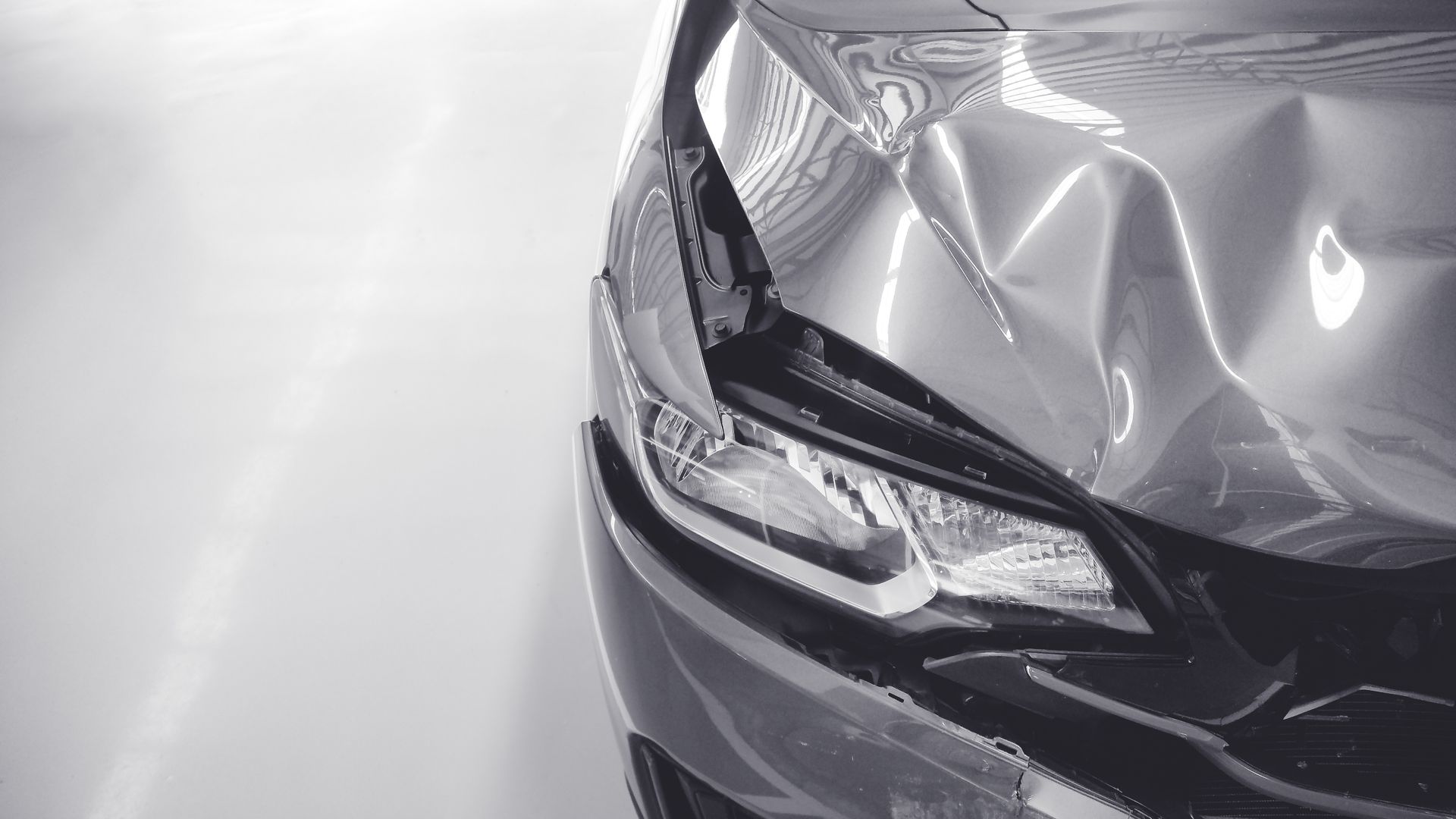
How Fender Repairs Address Panel Misalignment
Fender alignment depends on correctly positioned mounting bolts, undamaged attachment points on the frame rail, and properly gapped hood and door edges. Technicians use laser measuring tools to verify that bolt holes align within two millimeters of factory position, preventing stress cracks that develop when panels are forced into place. Welds are applied in factory-designated locations using specified amperage settings that prevent heat distortion in surrounding metal.
Once repairs finish, the hood closes without resistance, the gap between the fender and door remains consistent from top to bottom, and the headlight assembly sits flush without protruding or receding. Paint transitions are invisible under direct sunlight, with no color mismatch or texture differences between the repaired fender and adjacent panels. Water drains properly from the fender well without pooling against the tire, and there's no rattling from loose mounting hardware during normal driving.
Fender repair includes paint blending into the door to eliminate visible color transitions, but it doesn't include repairing unrelated rust damage on lower body panels or replacing trim pieces broken before the current accident. Some fenders are welded rather than bolted, which increases labor time and requires more extensive paint refinishing across multiple panels. Insurance coverage varies depending on policy deductibles and whether the damage resulted from a covered collision event.
Common Questions About This Service
Property owners typically ask about repair methods, paint durability, and insurance claim procedures before scheduling fender repairs. These answers clarify what the repair process involves.
What determines whether a fender can be straightened or needs replacement?
Technicians assess the severity of creasing, the location of damage relative to mounting points, and whether the metal has stretched beyond its elastic limit. Fenders with sharp creases near bolt holes or tears in the metal require replacement, while shallow dents in flat surfaces can often be straightened and refinished.
How is paint matched to the existing finish?
The shop uses your vehicle's paint code to mix the base formula, then adjusts the mixture by comparing spray-out cards to your actual panels under natural light. Multiple layers of color coats and clear coats are applied, with blending into adjacent panels to eliminate visible transitions where new paint meets old.
Why do some fender repairs require painting the door as well?
Paint fades over time due to ultraviolet exposure, creating color mismatches between newly painted fenders and older adjacent panels. Blending the paint into the door by applying translucent coats across the panel boundary creates a gradual transition that remains invisible under direct sunlight.
What causes fenders to rust after repair?
Moisture trapped between the fender and inner liner panel, improper primer application that allows moisture to reach bare metal, or failure to treat existing corrosion before refinishing all lead to post-repair rust. Proper repair includes cleaning all surfaces, applying corrosion-resistant primer, and sealing panel seams against water intrusion.
How does the shop handle insurance estimates for fender damage?
The shop photographs all damage, writes a detailed estimate itemizing parts and labor, and submits it directly to your insurance adjuster. If the adjuster requests a supplement after discovering additional damage during disassembly, the shop provides documentation and technical justifications to support necessary repairs.
Final Touch Collision Lab provides insurance coordination for all fender repairs and documents all work with before and after photographs. Contact the shop to schedule a fender assessment and receive a written repair estimate.