
Components Matched to Manufacturer Specifications
OEM Parts Replacement in Highland Park for collision-damaged vehicles requiring parts that meet factory fit and safety standards
Quality replacement parts restore proper fit, function, and crashworthiness when original components are damaged beyond repair. Final Touch Collision Lab sources parts that match manufacturer specifications when appropriate for collision repairs in Highland Park, ensuring that mounting points align correctly, safety systems function as designed, and replacement components integrate with existing vehicle systems. Attention to manufacturer specifications during installation prevents gaps, rattles, and premature wear that result from incorrectly fitted parts.
Parts replacement involves comparing damaged components against manufacturer repair guidelines to determine whether straightening is feasible or replacement is required. Installation requires following torque specifications for mounting bolts, routing wiring harnesses through designated channels, and calibrating sensors that monitor safety systems. The shop coordinates with insurance companies when policies require specific part sourcing or when adjusters request documentation justifying replacement over repair.
Request an estimate that identifies all parts requiring replacement and documents their compliance with manufacturer specifications.
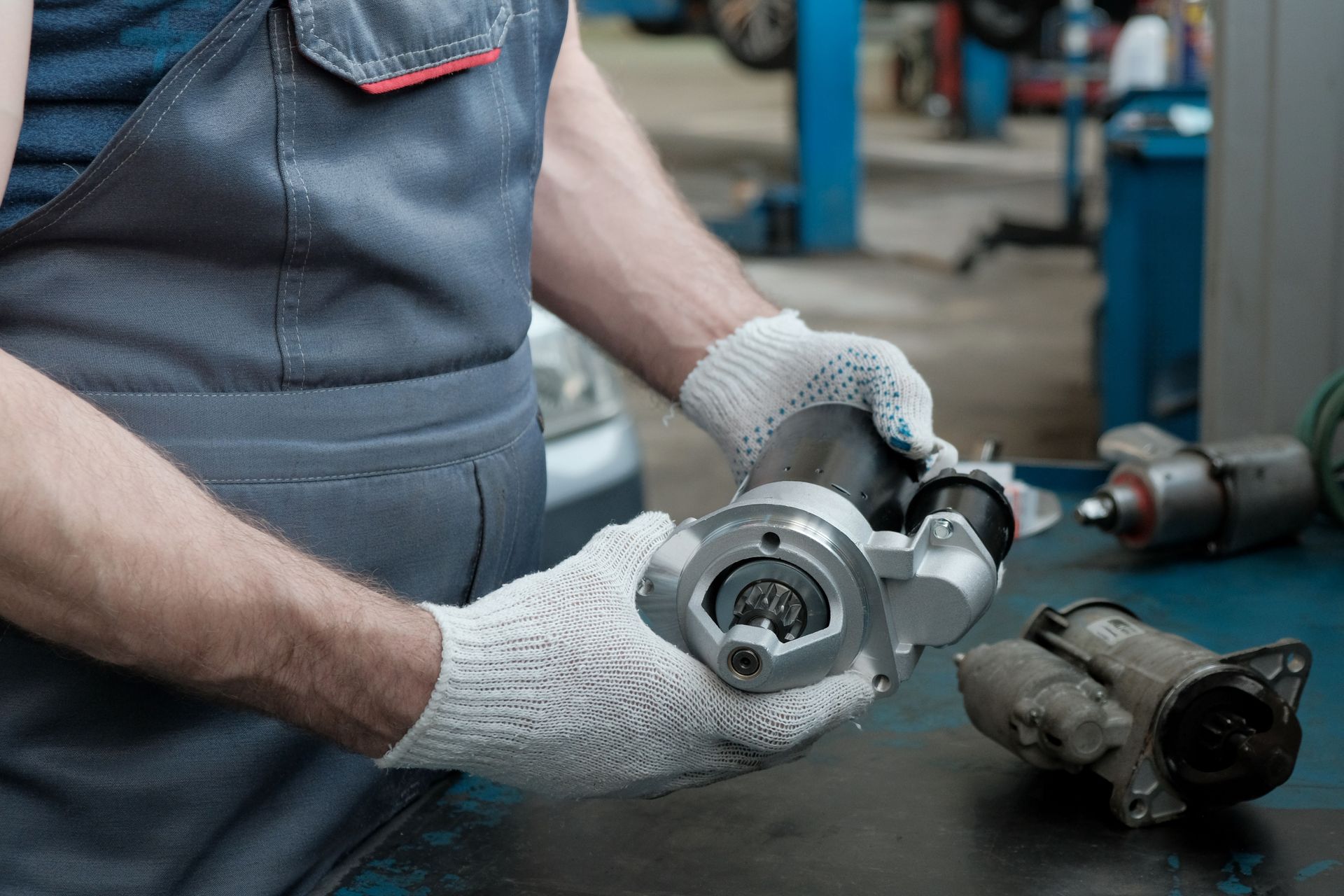
What Changes After Quality Parts Are Installed
Properly fitted replacement parts mount without forcing bolts through misaligned holes, eliminate the need for shims or spacers to close panel gaps, and integrate with vehicle electronics without triggering fault codes. Technicians verify fitment by checking that bolt holes align within tolerances specified in manufacturer repair manuals, that electrical connectors seat completely without adapter harnesses, and that moving parts like hoods and doors operate through their full range of motion without binding.
After installation, doors close with the same sound and resistance they had before the accident, panel gaps match factory measurements on both sides of the vehicle, and there's no wind noise from poorly fitted seals. Headlights aim correctly without adjustment, bumpers sit flush against adjacent body panels, and safety sensors like parking assist and blind spot monitors function without warning lights. Paint applied to replacement panels matches surrounding surfaces under direct sunlight and doesn't show color shifts between morning and afternoon light.
Parts replacement includes components damaged in the current collision, but it doesn't cover maintenance items like worn brake rotors or aged suspension bushings discovered during repair. Some insurance policies specify part sourcing requirements that affect coverage, and some repairs require parts ordered from manufacturers with lead times extending beyond initial completion estimates. The shop documents all part installations with photographs and provides invoices showing part numbers and sourcing for insurance records.
Answers to Frequent Service Questions
Vehicle owners often ask about part quality differences, insurance coverage, and installation standards before approving collision repairs involving parts replacement.
What's the difference between various replacement part options?
Parts vary in manufacturing origin, quality control standards, fit tolerances, and warranty coverage. Some parts are manufactured to tighter tolerances with materials that match original specifications, while others are produced to meet minimum functional requirements at lower cost points. The choice affects how well parts fit, how long they last, and whether vehicle safety systems function correctly.
How do insurance companies determine which parts to cover?
Insurance policies vary in their part coverage requirements, with some specifying particular sourcing options and others allowing shops to recommend appropriate parts based on repair needs. Adjusters review shop estimates and may negotiate part choices based on policy language, vehicle age, and repair complexity.
What happens if replacement parts don't fit correctly?
Quality parts manufactured to proper specifications fit without forcing bolts, shimming panels, or modifying mounting points. If parts don't align correctly, technicians verify part numbers against manufacturer catalogs, check for shipping damage, and order replacements when necessary. Proper fitment is verified before paint application to avoid costly rework.
Why do some repairs require additional parts beyond initial estimates?
Disassembly often reveals hidden damage to brackets, clips, wiring harnesses, and structural reinforcements that weren't visible during initial inspection. Insurance companies write supplemental estimates to cover these additional parts once technicians document the damage with photographs showing part numbers and failure points.
How long does it take to receive replacement parts?
Common parts for high-volume vehicles often ship within days from regional warehouses, while specialized components for luxury or imported vehicles may require weeks for delivery from manufacturers. Parts availability affects repair timelines more than labor duration, particularly for vehicles with limited parts distribution in the Highland Park area.
Final Touch Collision Lab verifies part fitment before final assembly and provides documentation showing all installed components meet manufacturer specifications. Schedule a damage assessment to receive a detailed parts list and repair timeline specific to your vehicle.