
Surface Damage Removed Through Targeted Refinishing
Car Scratch Repair in Highland Park for vehicles with key marks, parking damage, or clearcoat deterioration
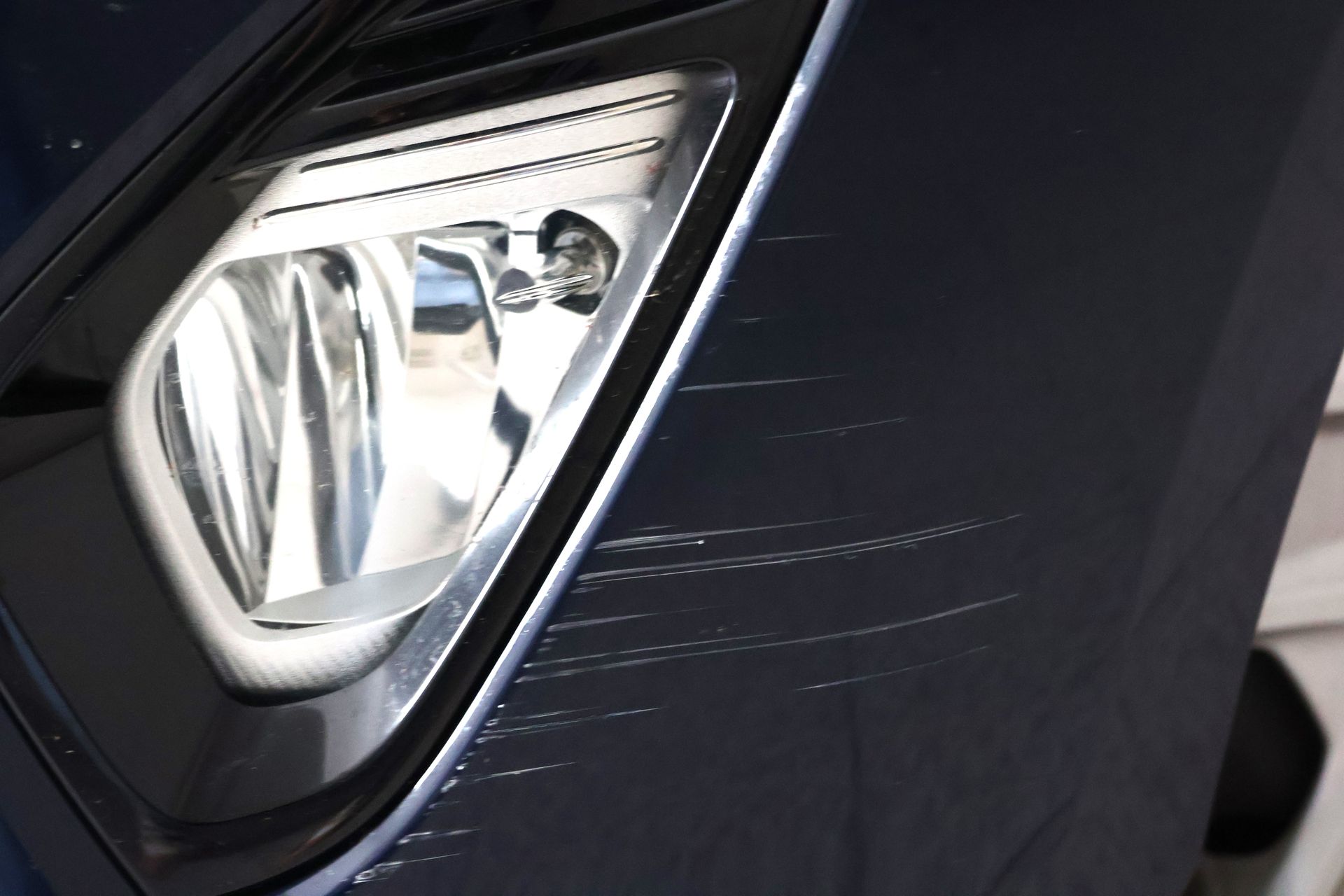
Scratches compromise paint protection and create visible blemishes that detract from vehicle appearance regardless of age or condition. When scratches penetrate through clearcoat into color layers or down to primer and bare metal, simple buffing cannot restore the surface. Final Touch Collision Lab addresses car scratch repair in Highland Park through methods appropriate to damage depth, from paint blending that addresses localized areas to complete panel refinishing when scratch patterns are extensive. The goal is restoring a uniform finish that protects underlying metal while eliminating visible evidence of the damage.
Shallow scratches limited to clearcoat can sometimes be polished out using abrasive compounds that level the surface. Deeper scratches reaching the color coat or primer require localized paint application followed by blending into surrounding areas so no repair line is visible. The technician feathers the damaged area, applies paint in thin coats matched to your vehicle's color, then clearcoats and polishes the repair until it matches the surrounding panel in both color and gloss level.
Schedule an evaluation to determine scratch depth and identify the refinishing approach that will restore your vehicle's finish most effectively.
What Changes After Scratch Repairs Are Complete
Scratch repair addresses visible damage through a staged refinishing process adapted to how deeply the scratch has penetrated the paint system. Surface scratches in clearcoat only may respond to careful polishing that levels the surrounding area until the scratch is no longer visible. Deeper scratches require sanding to feather the edges, then application of primer if bare metal is exposed, followed by color matching and clearcoat to build the finish back up flush with the surrounding surface.
You receive a panel where the scratch is no longer visible and the repaired area blends seamlessly into the original finish without a detectable color shift or texture change. Running your hand across the area reveals a smooth surface rather than the raised edge or depression that marked the original damage. The repair withstands washing and waxing without the new paint peeling or lifting at the repair edges.
Extensive scratch damage covering large areas or multiple deep scratches close together may require complete panel refinishing rather than localized blending to maintain uniform appearance. This approach ensures consistent color and texture across the entire panel rather than multiple blended areas that might show slight variations in certain lighting. The shop explains which method will produce superior results based on your vehicle's specific damage pattern and paint condition.
Answers to Frequent Service Questions
Customers often need clarification on what types of scratches can be repaired without full panel repainting and how long repairs take.
What determines whether a scratch can be polished out versus requiring paint?
Scratches limited to the clearcoat layer without reaching the color coat can often be polished smooth, while any scratch exposing primer or metal requires paint application to restore protection and appearance.
How do technicians blend new paint into existing finishes?
The repair area is feathered outward so edges taper gradually, then new paint is applied in progressively lighter coats that extend beyond the damage, with clearcoat blended into the original finish so no visible line marks where old and new paint meet.
What's involved in repairing deep scratches down to bare metal?
Bare metal must be treated to prevent rust, then primer is applied to seal the surface and provide paint adhesion, followed by color coats matched to your vehicle and clearcoat that builds the finish flush with surrounding areas.
How long do scratch repairs last after refinishing?
Properly prepared and applied paint repairs last as long as the original finish, resisting fading and peeling through years of exposure to Highland Park's seasonal weather changes and road salt.
When should I repair scratches rather than leaving them?
Scratches exposing bare metal should be repaired promptly to prevent rust formation, especially before winter when road salt accelerates corrosion, while clearcoat scratches can be addressed on your timeline without risking additional damage.
Final Touch Collision Lab examines scratch damage and explains repair options that restore both appearance and paint protection. Contact the shop to arrange a scratch assessment and receive a written estimate detailing the recommended refinishing approach.